
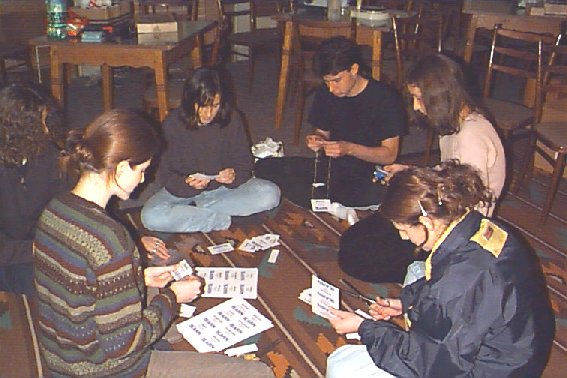
Set in the breathtaking surroundings of the High Tatras, the international iEARN environmental camp combined scientific research, ecological education, and outdoor adventure into a unique learning experience for students from across the world.
The program was designed not only to introduce participants to the geology, flora, fauna, and tourist development of the Tatras, but also to encourage students to think critically about environmental protection and sustainable tourism.
Through fieldwork, laboratory activities, hiking expeditions, and discussions with scientists, students explored some of the most important ecological challenges facing mountain ecosystems today.
1. Researching Water Contamination
Understanding the Health of Mountain Lakes and Streams
One of the camp’s major scientific activities focused on analyzing water quality in the Štrbské pleso region.
Students collected and examined water samples from several research stations, including:
- Mlynica Stream near the “Place of Dreams”
- Štrbské pleso
- nearby peat bog areas
- Nové Štrbské Pleso
Participants measured:
- water and air temperature,
- water transparency,
- odor and color,
- pH levels,
- alkalinity and acidity.
Using microscopes and magnifying equipment, students also identified phytoplankton and zooplankton living in the collected samples.
Beyond scientific measurements, the project encouraged students to discuss the causes and consequences of water contamination and to develop proposals for protecting water resources and improving public environmental awareness.
2. Weather Observation and Air Pollution Studies
Learning from Scientists in the Mountains
Another important section of the program focused on meteorology, climatology, and air pollution.
Students visited scientific institutions affiliated with the Slovak Academy of Sciences, including:
- the Hydrometeorological Station,
- the Geophysical Institute,
- and observatories at Skalnaté pleso and Lomnický štít.
Participants learned how weather forecasting works and collected real climatological data such as:
- temperature,
- humidity,
- atmospheric changes,
- and mapping observations.
Discussions with observatory staff also introduced students to global environmental problems including air pollution and climate change.
3. Caring for the Environment
Hiking With a Purpose
Environmental protection at the camp was not only theoretical — students actively participated in cleaning mountain trails and monitoring illegal waste dumping sites.
Hiking routes included:
- Brnčalova chata
- Popradské pleso
- Sliezsky dom
- Zbojnícka chata
Students collected trash, mapped illegal dumpsites, and discussed how tourism in the Tatras could be managed more responsibly.
Special attention was given to the future of TANAP and the importance of balancing tourism with environmental conservation.
4. Nature and Human Responsibility
Understanding Our Relationship With the Environment
Participants also visited the headquarters of TANAP in Tatranská Lomnica and research institutes in Stará Lesná.
The goal was not only scientific education, but also personal reflection:
- How do humans affect nature?
- What responsibilities do we have toward the environment?
- How can young people contribute to protecting natural ecosystems?
Students attended discussions about both the beauty and environmental problems of the High Tatras and even observed the night sky through a mirror telescope during astronomy sessions.
One special presentation, “YouthCan 99,” was delivered by students from Belarus, highlighting international cooperation on environmental issues.
Evenings Full of Friendship
While the days focused on science and ecology, evenings were devoted to fun and cultural exchange.
Activities included:
- pizza parties,
- Halloween celebrations,
- ice skating,
- swimming,
- and discos.
These social events helped students from different countries form friendships and strengthen the international spirit that defined the camp experience.
More Than a Scientific Program
The camp represented something larger than environmental education alone.
It showed how science, travel, culture, and friendship can work together to inspire young people to care about the future of the planet.
Through shared experiences in the mountains, international students learned not only about ecosystems and pollution, but also about cooperation, communication, and global responsibility.
As the organizers proudly stated: